
The Ultimate Big Island Adventure: A Guide to Volcanoes, Manta Rays, and Ziplining Thrills
November 19, 2025
When you imagine Hawaii, you might picture only white sand beaches, but the Island of Hawaii (also called the Big Island), is a world unto itself. It’s larger than all the other Hawaiian islands combined and boasts a staggering variety of environments, from snowy mountains to scorching lava fields, encompassing eight of the world’s thirteen major climate zones.
This geographic complexity means you can easily turn your trip here into a full-blown expedition (while still taking time to recline beachside!). Ready to trade your lounge chair for hiking boots, your resort view for a stellar night sky, and beach strolls for a thrilling zip line? This is your guide to conquering the Big Island’s most epic and unique adventures.
The Island of Extremes
The sheer scale of the Big Island dictates a mindset of exploration and respect. The key to a successful Hawaii vacation lies in becoming a mindful visitor, one who honors the island’s natural beauty and cultural significance. This is especially true at sacred spots like Mauna Kea, where we observe the cultural concept of Kapu Aloha.
By following this guide, you’ll not only discover the most incredible sights but also how to experience them responsibly, turning your vacation into an authentic Hawaiian journey.
The Pillars of Big Island Adventures: Fire, Water, and Sky
Any successful Big Island itinerary rests on three non-negotiable, world-class experiences that define the island’s raw power.
Exploring the Volcanic Heart: Hawaiʻi Volcanoes National Park (HVNP)
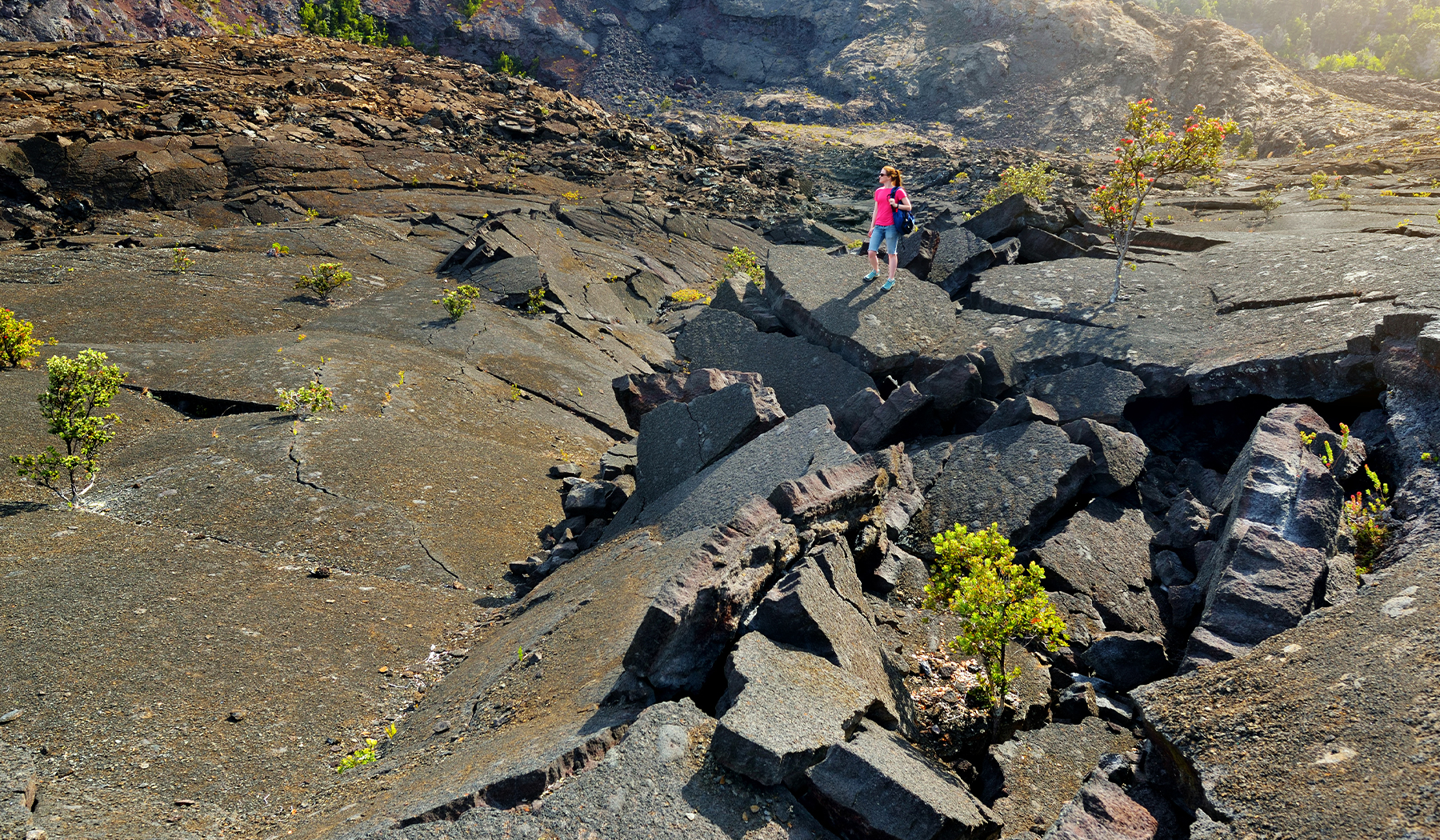
Hawaii Volcanoes National Park is a geologist’s dream, allowing you to traverse stunning volcanic landscapes. Must-do activities include hiking the challenging Kilauea Iki trail, which descends into a solidified lava lake, and cruising the spectacular Chain of Craters road.
- Subterranean Secrets (Lava Tubes): HVNP offers the illuminated and easily accessible Thurston Lava Tube (Nāhuku). However, for an independent adventure, check out the Kaumana Caves State Park near Hilo. This free lava tube system offers a rugged exploration opportunity, but be warned: it’s unlit and quickly becomes pitch dark. If you venture beyond the entrance, you must bring your own flashlights and wear sturdy, non-slip, closed-toe shoes.
The World-Class Manta Ray Night Snorkel
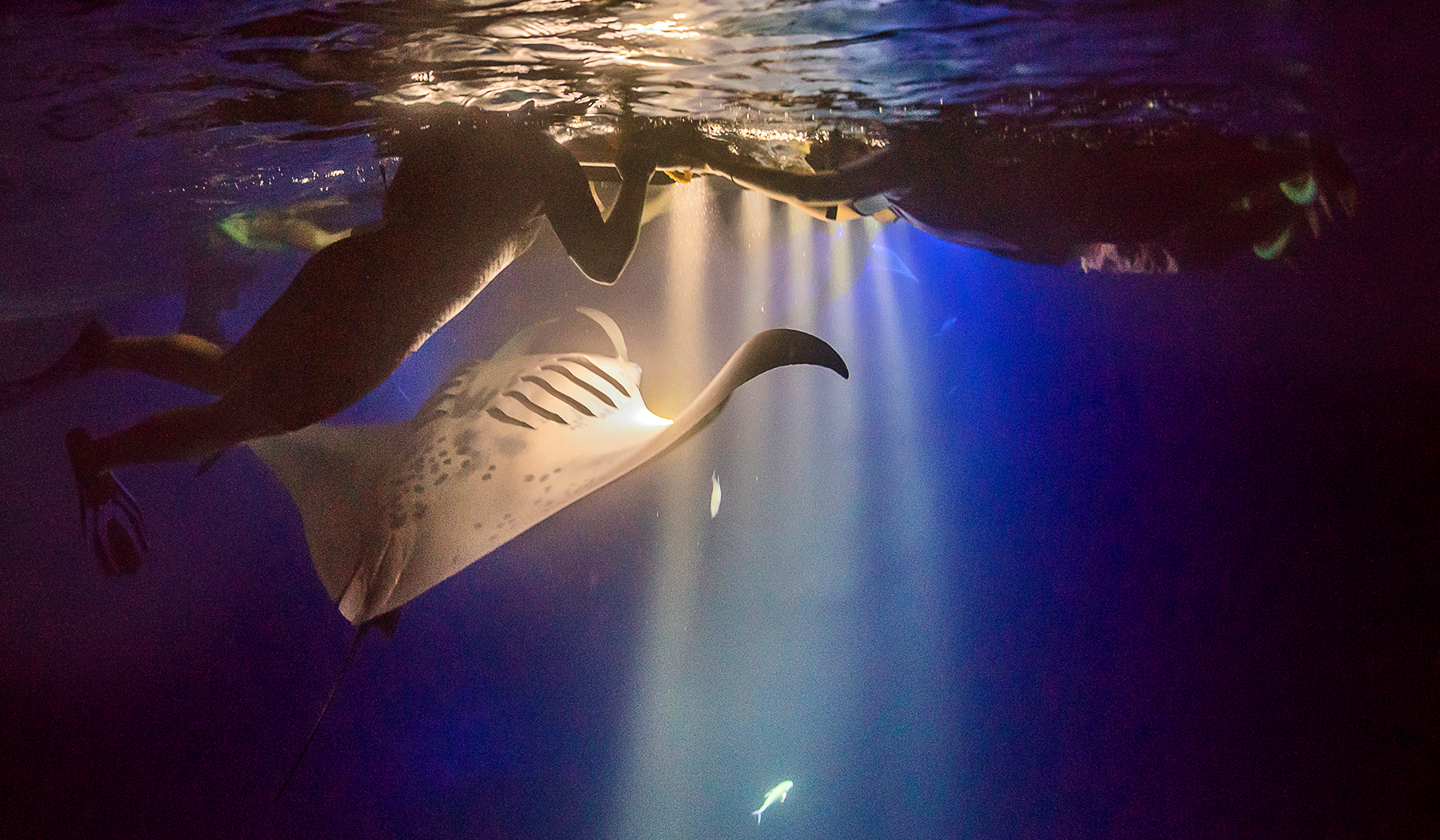
Often described as one of the top ten things you must do in your lifetime, the Manta Ray Night Snorkel off the Kona coast is an aquatic ballet you have to see to believe. Here, powerful lights attract plankton, bringing in manta rays with wingspans up to 16 feet for a nocturnal feeding frenzy.
- Pro Tip & Safety: Manta sightings are highly consistent (around 85%). However, this is an active-participation adventure. For the safety of the marine life and guests, all participants must have previous swimming and snorkeling experience and be capable of swimming without a flotation device.
Touching the Stars: The Mauna Kea Summit & Stargazing
When measured from its base on the seafloor, Mauna Kea is the tallest mountain in the world! Culturally, this is the “Region of the Gods,” so always follow Kapu Aloha and do not climb the physical summit.
- Access Requirements: Accessing the summit road past the Visitor Information Station (VIS) requires a 4WD vehicle. Since most standard rental car agreements prohibit this, the easiest, safest, and most compliant way to reach the observatories for sunset is via a permitted guided tour.
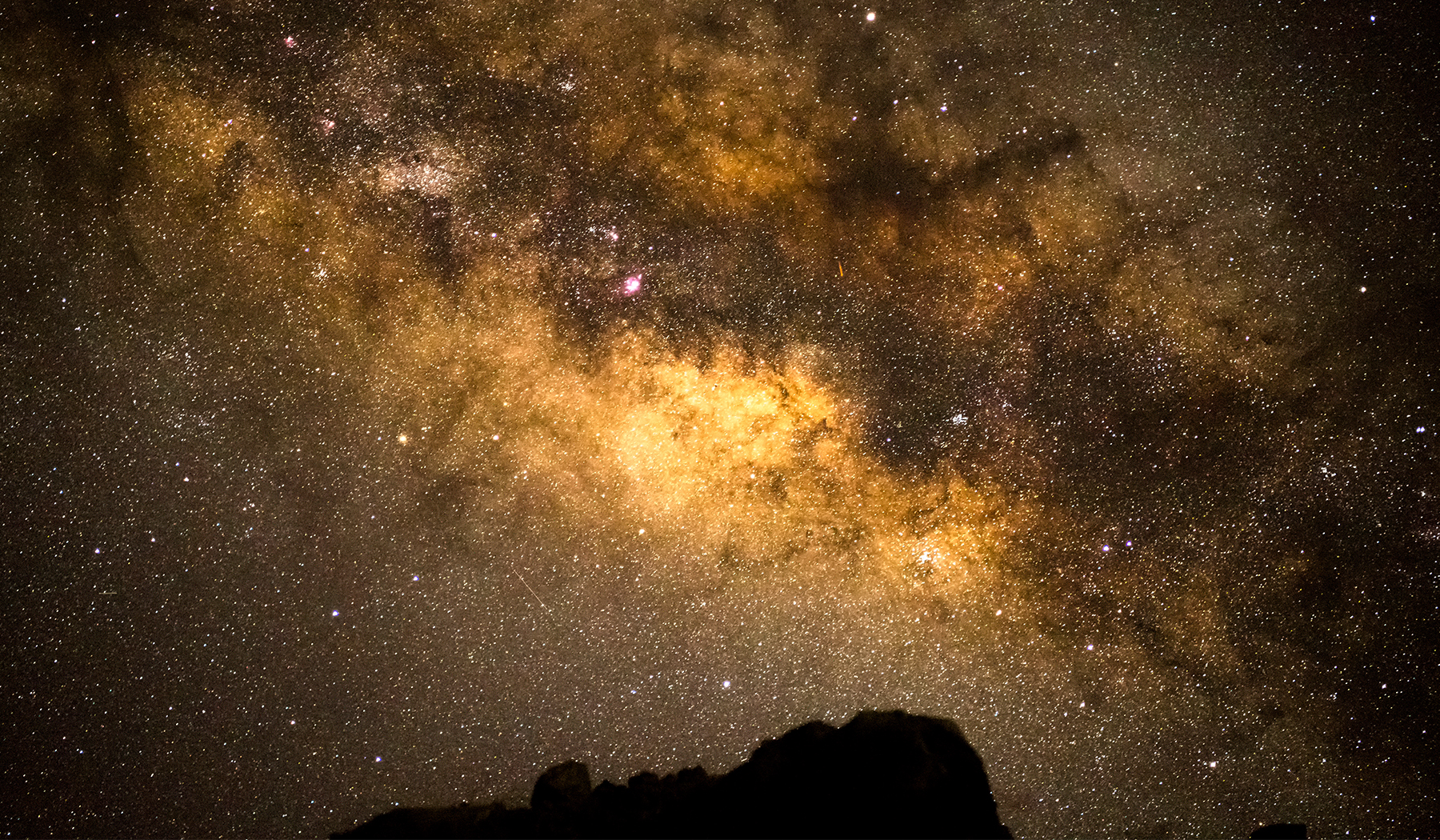
- Stargazing Alternative: The VIS, located at 9,200 feet, is actually a great place for celestial viewing. Why? Because the extreme altitude of the summit can impair human night vision. The VIS also hosts free, limited-capacity monthly stargazing programs (reservations required).
Adrenaline & Aerial Views: The East Side Thrills
While the Kona side handles marine life and sunsets, the Hilo side of the Big Island is dedicated to lush rainforests, powerful waterfalls, and the best views of the whole island.
Soaring Over the Scenery: Hawaii Zipline & Hiking Tours
For a true dose of adrenaline combined with an authentic Hawaiian experience, nothing beats flying through this private paradise (i.e. no crowds!). Our seven line zipline tour whisks you through colorful agricultural fields (samplings encouraged) and past every imaginable shade of green in the jungle. Along the way, your expert guides will share entertaining and insightful information about the landscape and local culture.
The last line will definitely be talked about for years to come: the unique chance to zoom over a 450-foot ravine and above the 250-foot tall Kolekole Falls. It’s the perfect way to appreciate the natural beauty of the Hāmākua Coast.

Chasing Waterfalls: The Hilo Circuit
Once you’re based in Hilo for your zipline tour, you can then easily access the region’s other popular waterfalls:
- Rainbow Falls: A beautiful, multi-tiered waterfall that’s free and located right off the road.
- ‘Akaka Falls: A majestic, 442-foot drop requiring a slight detour, offering incredible photo opportunities.

Hawaii’s Unique Geological Beaches
The Big Island’s exotic beaches showcase volcanic power in striking, non-traditional colors. You can witness a stunning contrast in a single afternoon.
The Remote Trek: Papakōlea Green Sand Beach
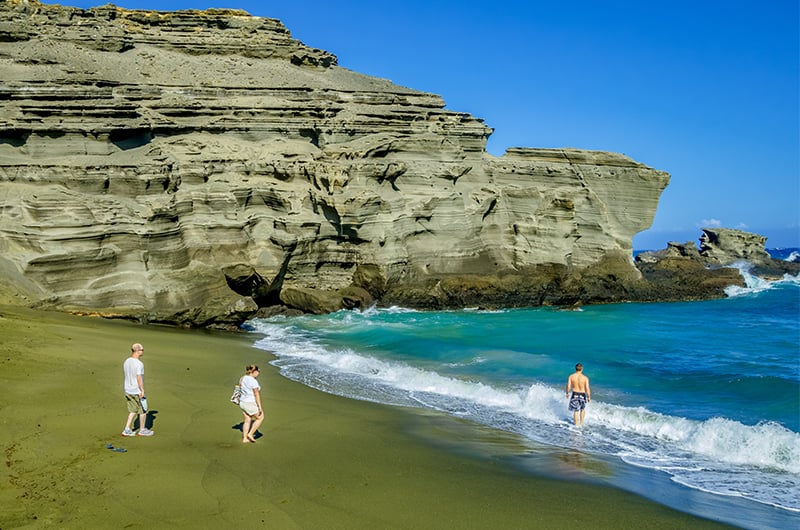
This is a geological rarity—one of only four green sand beaches in the entire world! Its mesmerizing shade comes from olivine crystals, pushed up from volcanic activity.
- Access Advisory: Papakōlea is remote and strictly protected. To reach it, you must either embark on a strenuous 2.5-mile hike (about an hour each way) across exposed terrain, or utilize the local, regulated off-road shuttle service (typically around $20 per person). Driving private vehicles to the beach is strictly prohibited for conservation purposes. Be sure to pack a minimum of 2 liters of water and plenty of sun protection.
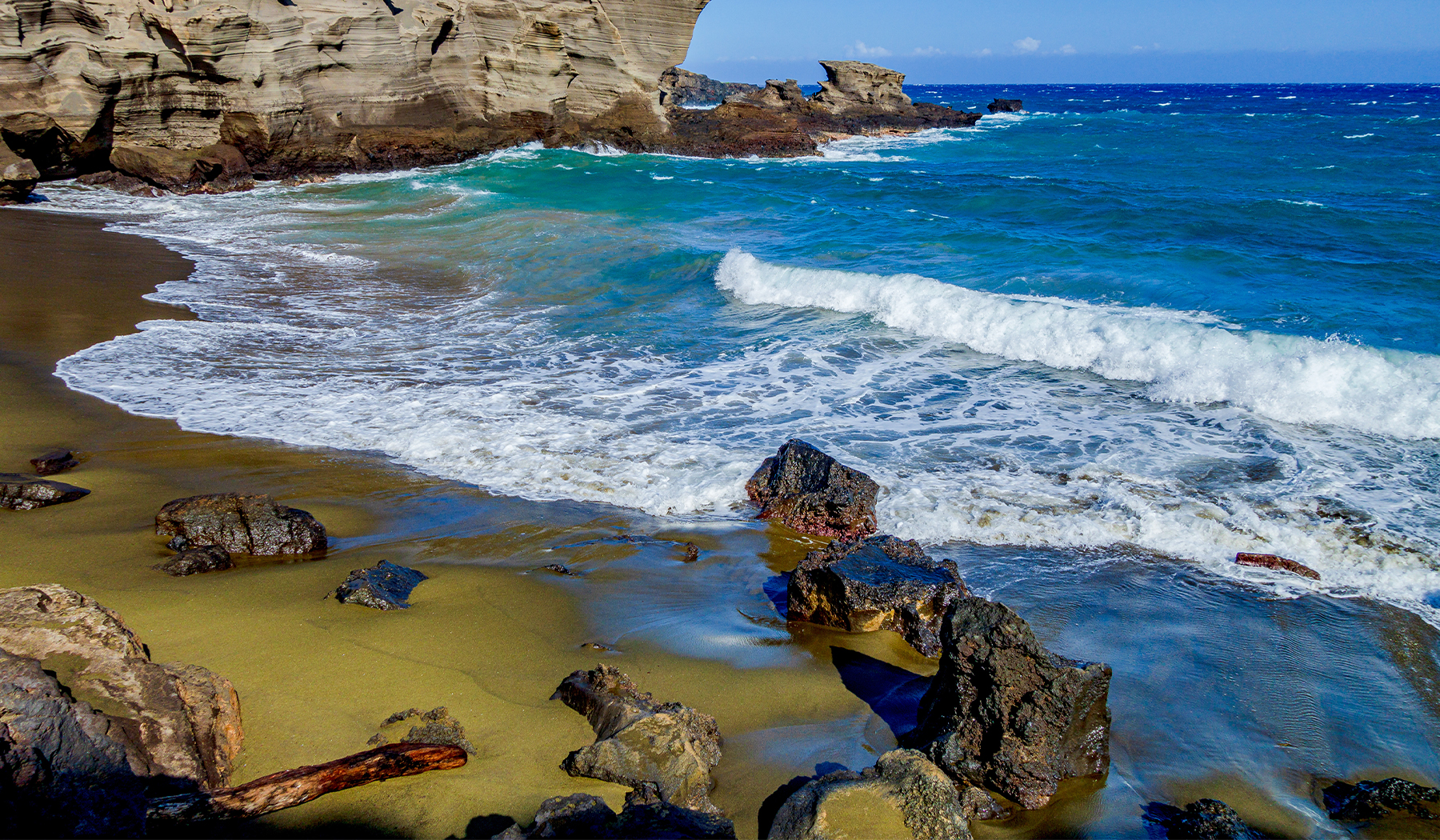
The Accessible Contrast: Punalu’u Black Sand Beach
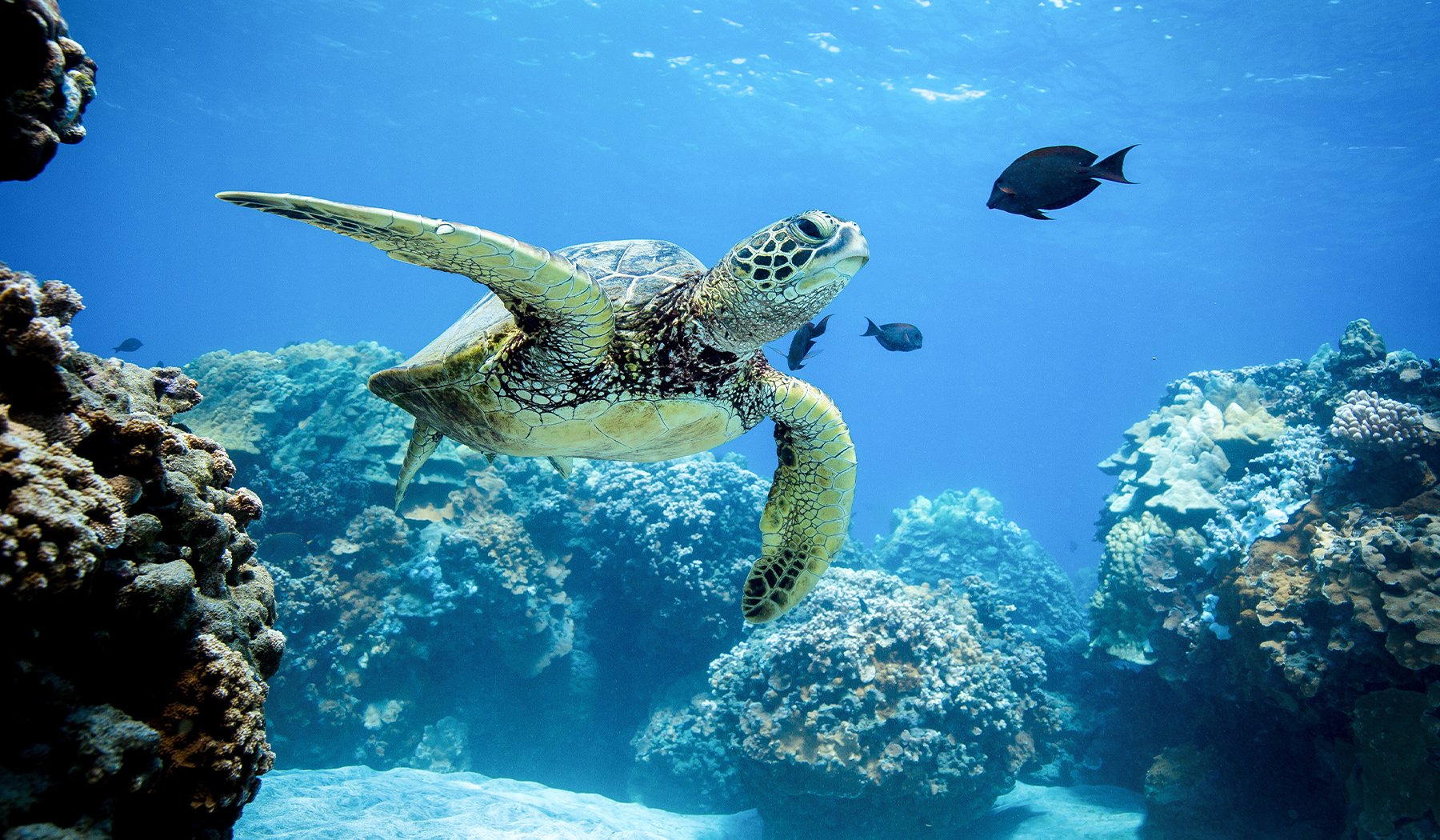
Formed from pitch-black lava, Punalu’u is easily accessible, staffed by professional lifeguards, and is a popular family destination. This is also one of the most reliable places to spot sun-basking honu (Hawaiian green sea turtles).
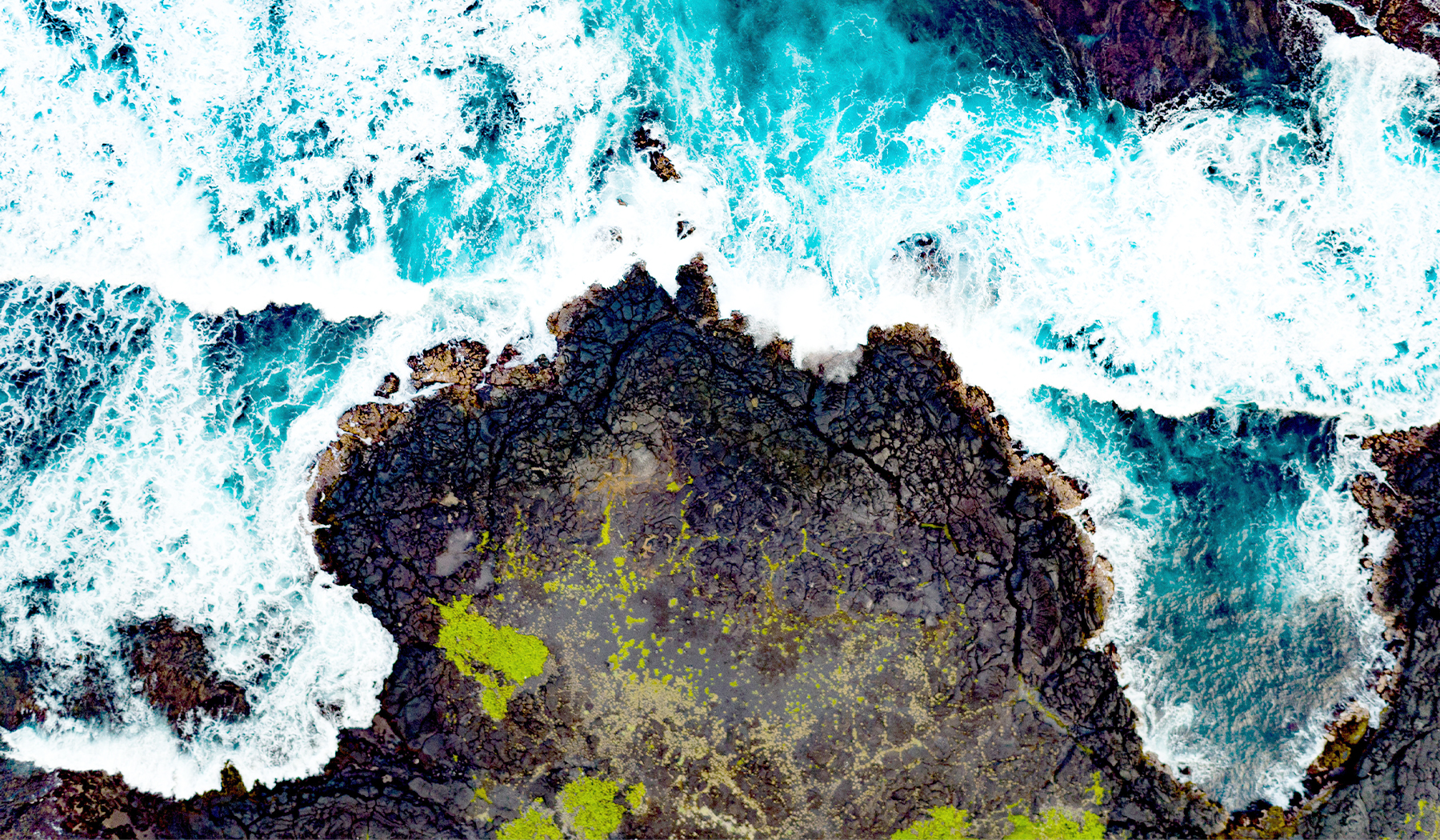
The Ultimate View: Circle-the-Island Helicopter Tours
Want to see it all but don’t have the time? Given that driving between major hubs can take 2–3 hours one way, a Circle-the-Island Helicopter Tour transforms from a luxury item into a time-efficient investment. It is truly the only way to absorb the full breadth of the island’s eight climate zones, from the snowy peaks to the lava flows and rainforests, in one unforgettable, condensed experience.
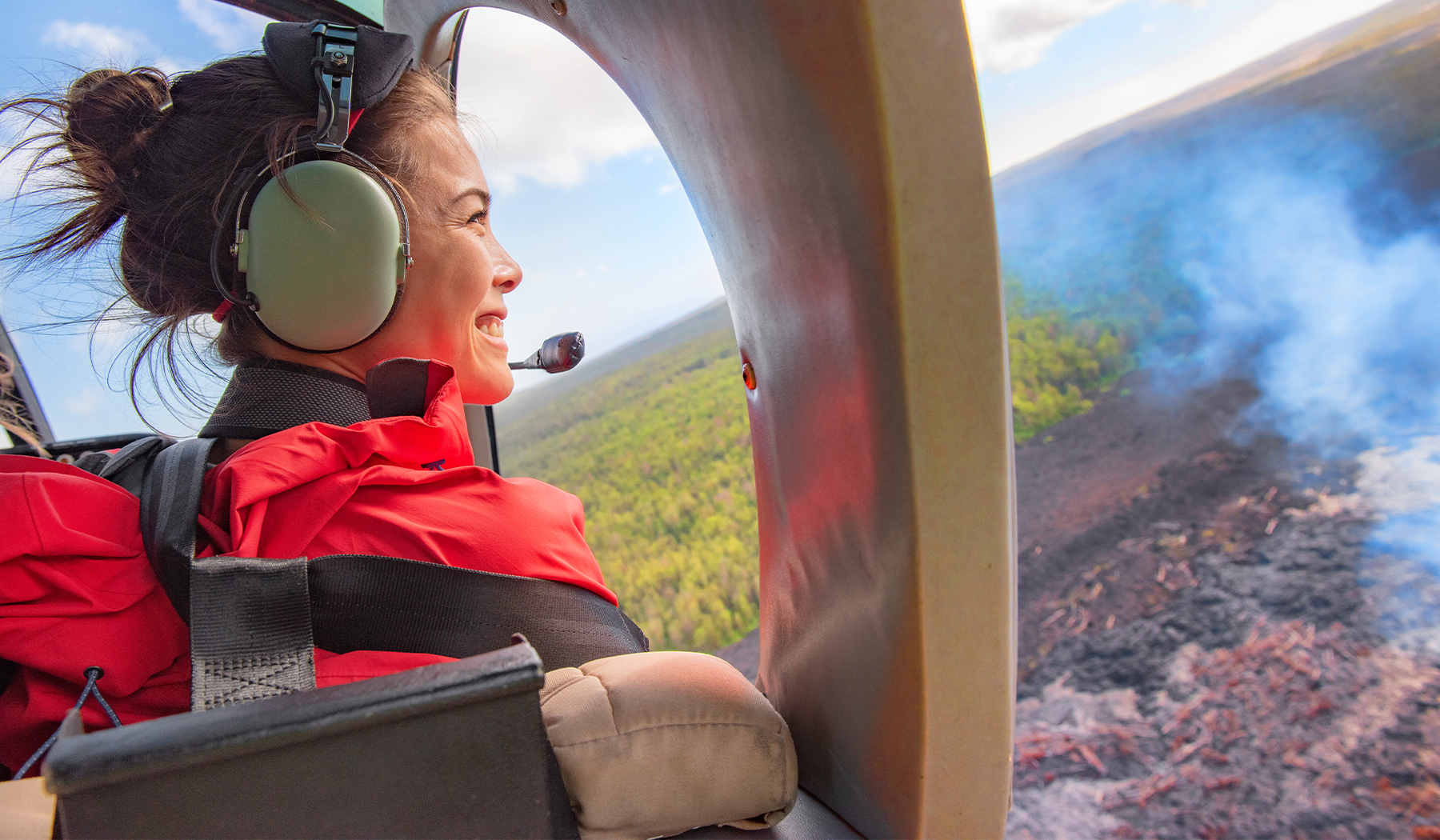
Logistical Deep Dive and Ethical Frameworks
Strategic Pacing: The Kona-Hilo Split
The biggest mistake first-time visitors make is attempting to cover the whole island from one side. With 2–3 hours of driving between Kona and Hilo , constantly commuting will exhaust you.
Our Recommendation: Dedicate the first three nights to Kona (for marine activities and accessible beaches), then transition to two or three nights in Hilo (for efficient access to volcanoes, waterfalls, and ziplining thrills). This dual-base strategy saves hours of driving and ensures a high-quality, non-fatigued exploration.
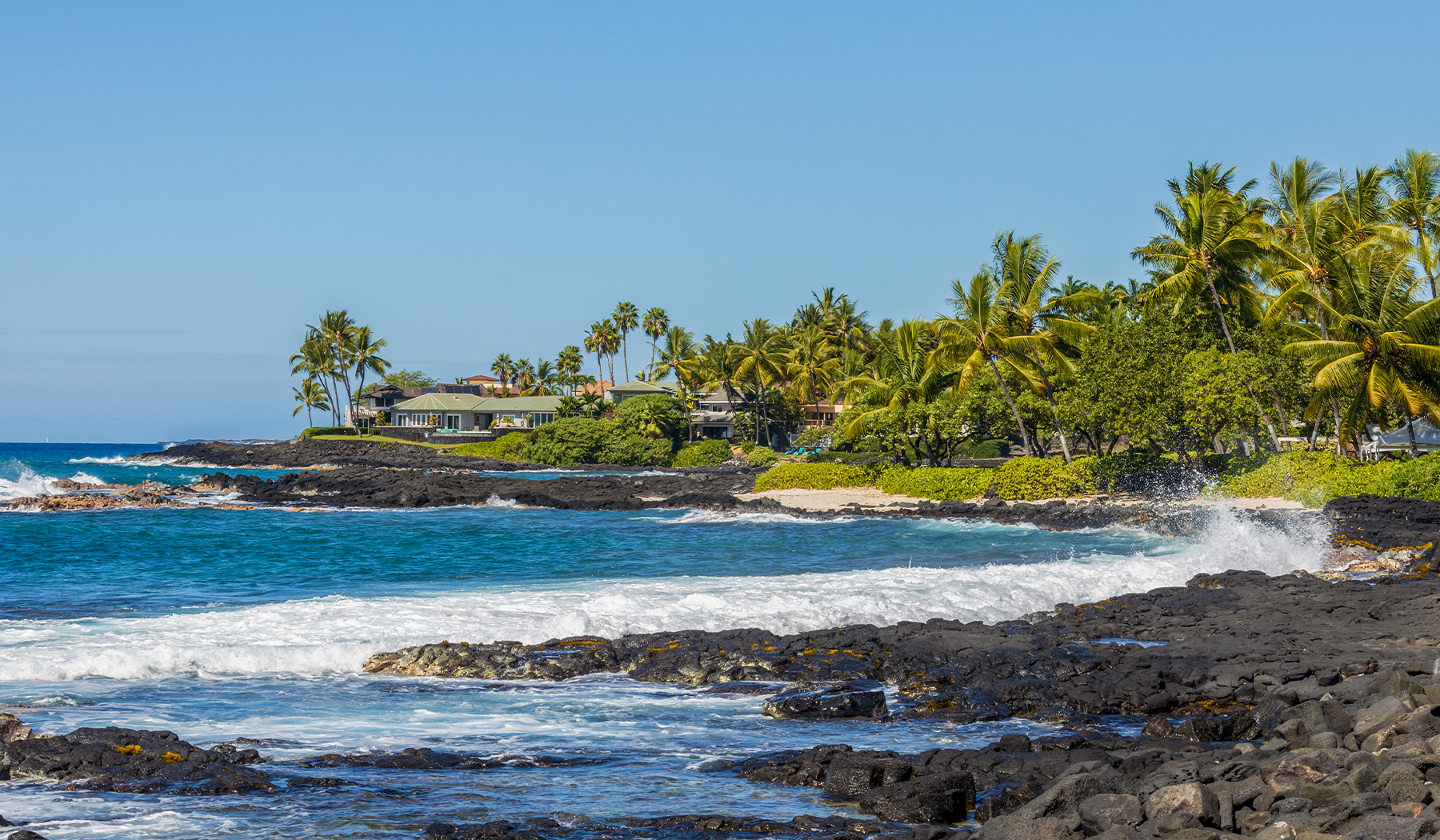
Protecting the Coastline: Mālama Kai
Our obligation to Mālama Kai (take care of the ocean) is paramount. Over a quarter of Hawaiʻi’s sea life is found nowhere else on earth.
- Coral and Wildlife: Always keep a respectful distance from all marine life, especially the endangered honu (sea turtles), and never touch the living coral.
- Sunscreen: Only use reef-safe sunscreen to prevent chemical damage to the coral reefs.
Conclusion
The Big Island is not a passive destination; it is an active playground defined by raw geological power and ecological diversity. From the volcanic steam of HVNP to the cold, clear majesty of Mauna Kea and the thrill of flying above the rainforest canopy and waterfall with companies like Hawaii Zipline & Hiking Tours, this island is truly an explorer’s paradise.