
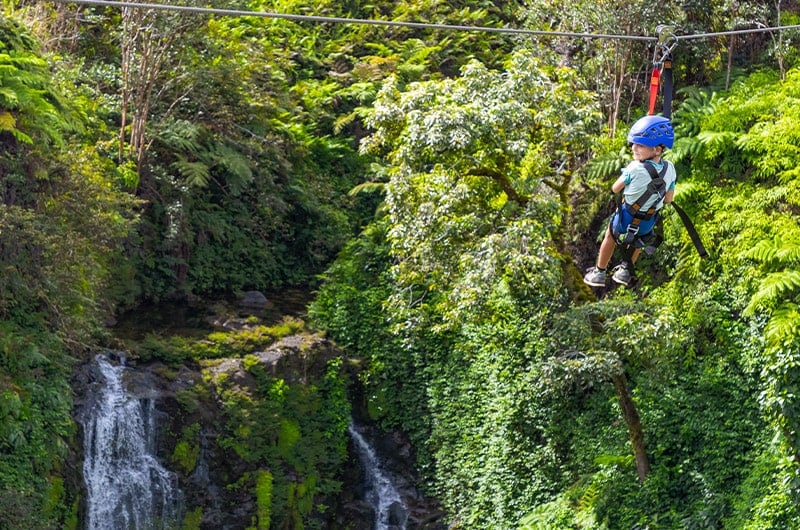
Imagine that you’re standing on a platform high above the lush canopy of the Hamakua Coast. The scent of tropical ginger wafts through the air, and in the distance, the roar of a 250-foot waterfall calls your name. You’re clipped in, heart racing, ready to experience the adrenaline rush that only a Big Island zipline can provide.
But before you take that exhilarating leap into the Hawaiian sky, there’s some “groundwork” to cover. At Hawaii Zipline Tours, safety is the foundation of everything we do. From seasoned thrill-seekers to first-time fliers, understanding our weight limits, rider requirements, and accessibility is the first step toward a memorable Hawaii adventure.
In this guide, we’re breaking down the “rules of the air” so you can focus on making core memories (and catching those epic views of Kolekole Falls).
The Physics of Fun: Why Weight Limits Matter
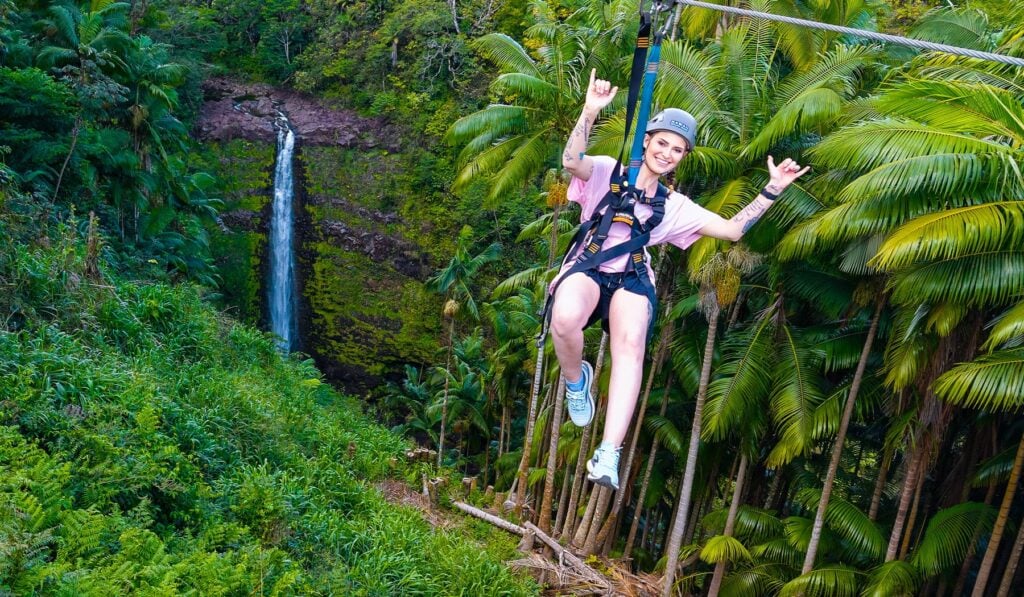
When you’re flying over a 450-foot ravine, you might not be thinking about physics, but our equipment is! Weight limits are one of the most common questions we get, and they are strictly enforced for two primary reasons: momentum and braking.
The Magic Numbers: 40 lbs to 260 lbs
To ensure every guest has a safe and smooth ride, all participants must weigh between 40 lbs and 260 lbs.
- Maximum Weight (260 lbs): This limit ensures that the tension on the lines remains within the safety tolerances of our equipment and that our passive braking systems can decelerate you comfortably at the end of the line.
- Minimum Weight (40 lbs): Ziplining requires a certain amount of “gravity-fed” momentum. If a rider is too light, they may not have enough velocity to reach the next platform, resulting in a “stop” mid-line (which, while safe, isn’t the most graceful way to finish a zip!).
The Tandem Child Experience (40–69 lbs)
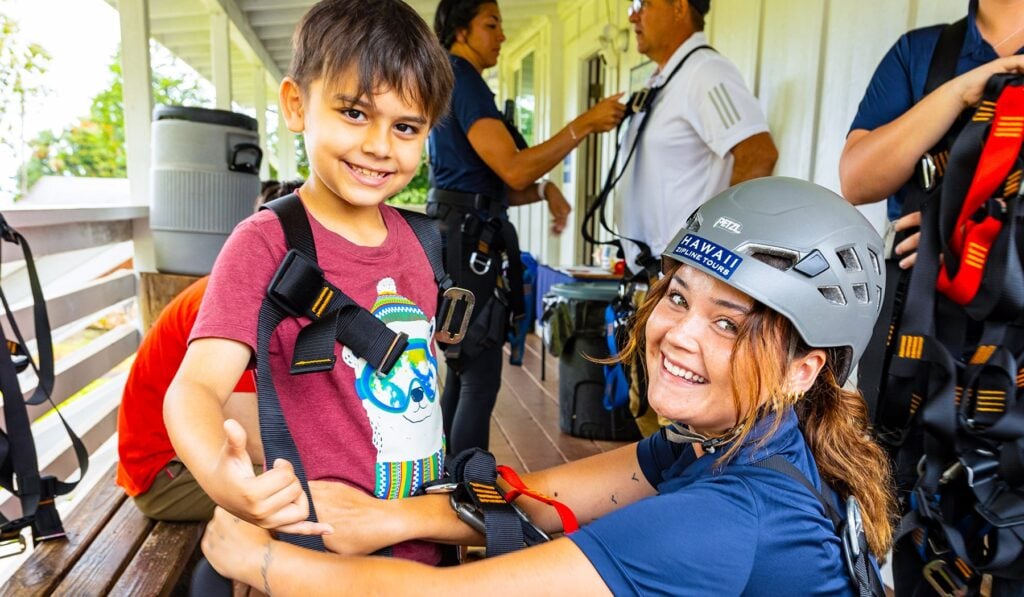
We love seeing young adventurers take flight! For our “mini-zippers” weighing between 40 and 69 lbs, we have a special protocol. On our first four lines, these lighter riders usually have plenty of speed to zip solo. However, for lines 5 through 7—where the distance and wind resistance increase—they will zip tandem with one of our certified professional guides. This ensures they clear the waterfall with plenty of speed and a big smile.
Essential Rider Requirements: Gear Up Like a Pro
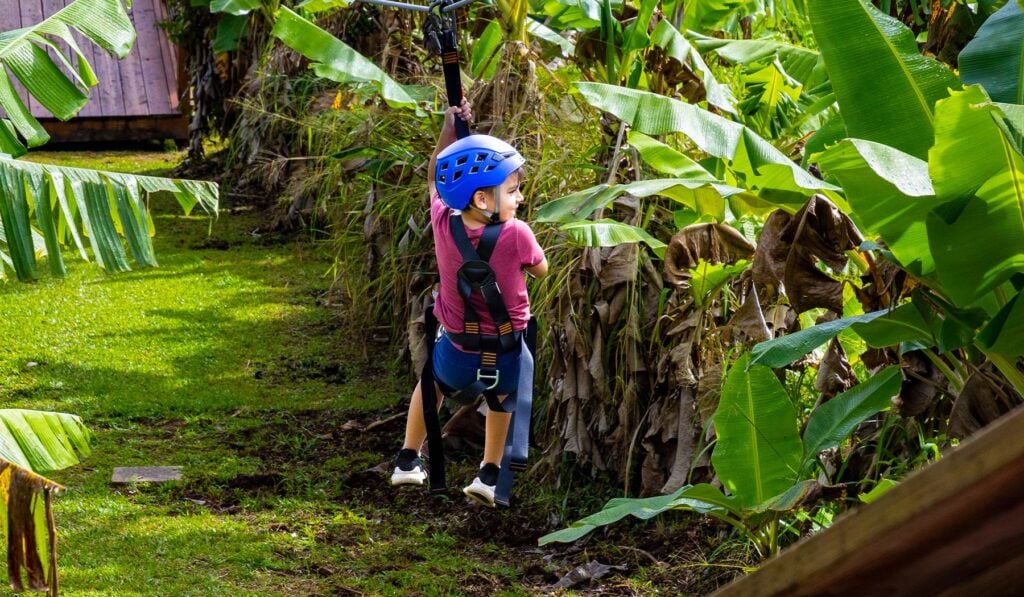
Safety starts from the ground up, literally. To participate in our Kolekole Waterfall Zipline Adventure, there are a few non-negotiable requirements for your attire and physical readiness.
Footwear: The Golden Rule
This is the big one: All guests must wear closed-toe shoes. Think sneakers, tennis shoes, or hiking boots.
- Why? You’ll be traversing wooden platforms and hiking short distances over uneven jungle terrain.
- The “No-Go” List: Flip-flops (slippers), Crocs, Tevas, and any open-toe sandals are strictly prohibited. We want to keep your toes protected and ensure you have a sturdy grip on the platforms.
Age and Supervision
Adventure is a family affair! We welcome children as young as 5 years old, provided they meet the 40 lb weight requirement.
- Ages 12 and under: Must be accompanied by an adult on the tour.
- Under 18: A parent or legal guardian must sign the liability waiver before the fun begins.
Physical Readiness
While our course is designed to be accessible, guests should be in good health and free of chronic heart, neck, back, or joint injuries. You’ll need to be able to walk approximately 1/2 mile over uneven, natural terrain throughout the 2.5-hour tour.
Accessibility: More Zip, Less Hike
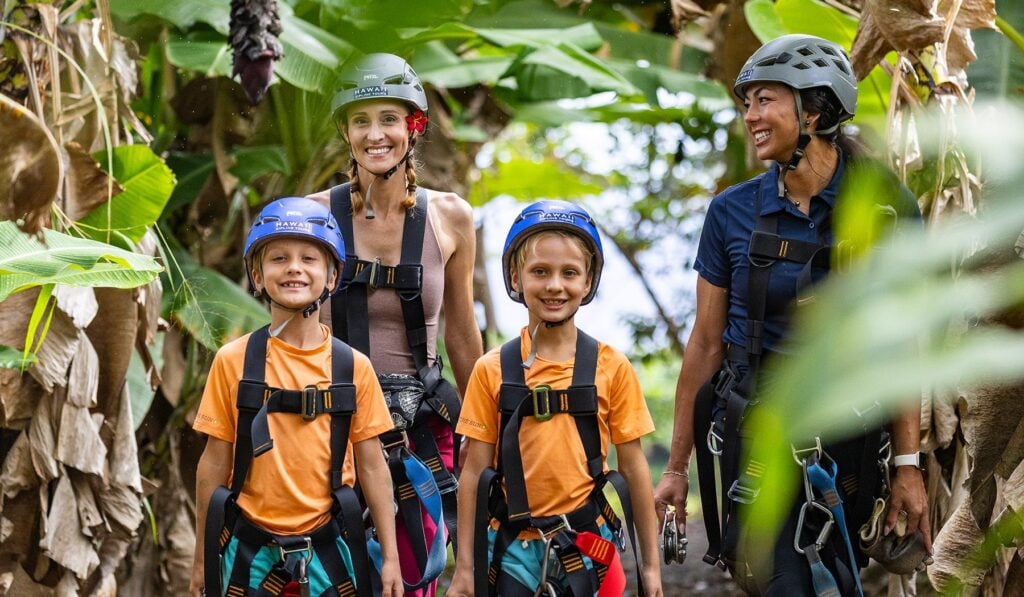
One of the things that makes our Kolekole course unique is its “Progressive Difficulty” and ease of access. We designed this course to maximize the “zip” and minimize the “hike.”
- Short, Shaded Walks: Unlike some courses that require long, uphill treks between lines, our platforms are connected by short, shaded jungle paths. This makes it a fantastic option for families with younger children or those who want an adventure without the heavy cardio.
- Building Confidence: We start you off on shorter, lower lines to help you get a feel for the equipment. By the time you reach the massive “Line 7” over the waterfall, you’ll feel like a pro.
For the Non-Zipliners: The Waterfall Hike & Swim
Traveling with someone who prefers to keep their feet on the terra firma? They don’t have to stay at the hotel! Our Waterfall Hike & Swim Adventure allows them to explore our 300-acre private paradise, swim in the mountain-fed waters, and meet up with the zipliners for a post-tour celebration.
Safety Standards: “Human-Proof” Technology
You might be wondering, “Is ziplining safe?” We take that question seriously. Our course is built and maintained to meet or exceed industry standards (specifically ASTM and ACCT).
Continuous Belay System
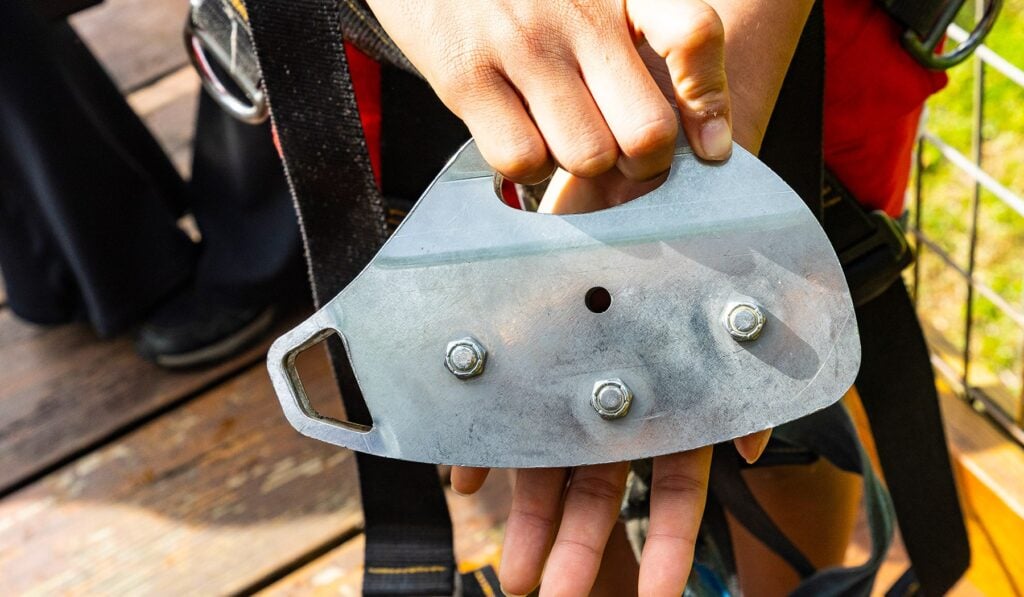
We use a Continuous Belay System, which is a fancy way of saying you are “locked in” from the moment you step onto the first platform until you touch back down at the end. There is no chance of accidentally unclipping while you’re in the air or on a platform.
Passive Braking
Forget about “glove braking” or having to time your own stop. Our course utilizes passive braking systems (including spring anchors). This means the equipment does the work for you, ensuring a smooth, hands-free deceleration so you can keep your eyes on the scenery, not your brakes.
Professional Certification
Our guides are the heart of the experience. Each guide undergoes 80 hours of rigorous safety training — double the industry standard — including high-angle rescue and course management, before they ever lead a tour. They aren’t just there to clip you in—they are there to share the mo’olelo(stories) of the land and keep you laughing the whole way.
What to Wear Ziplining in Hawaii (Packing for Rain)
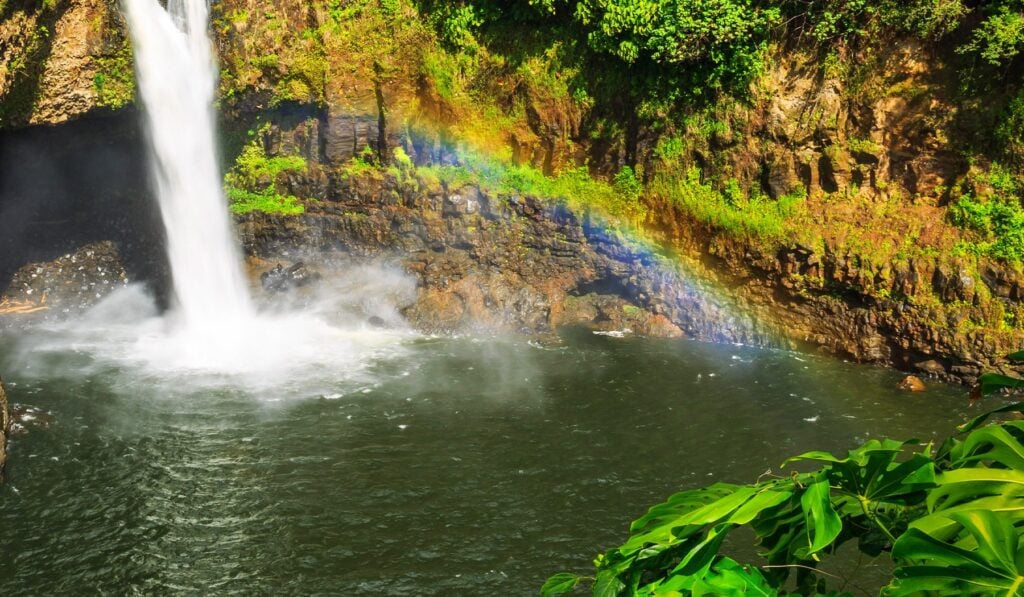
This is Hilo, after all! We operate rain or shine. In fact, many of our guests say ziplining in a light tropical mist is even more magical. The rain makes the colors of the rainforest pop and the waterfalls flow even stronger.
We only pause or cancel tours in the event of extreme weather, such as high winds or lightning. If we do have to cancel for safety, we’ll work with you to reschedule or provide a full refund.
Ready to Fly?
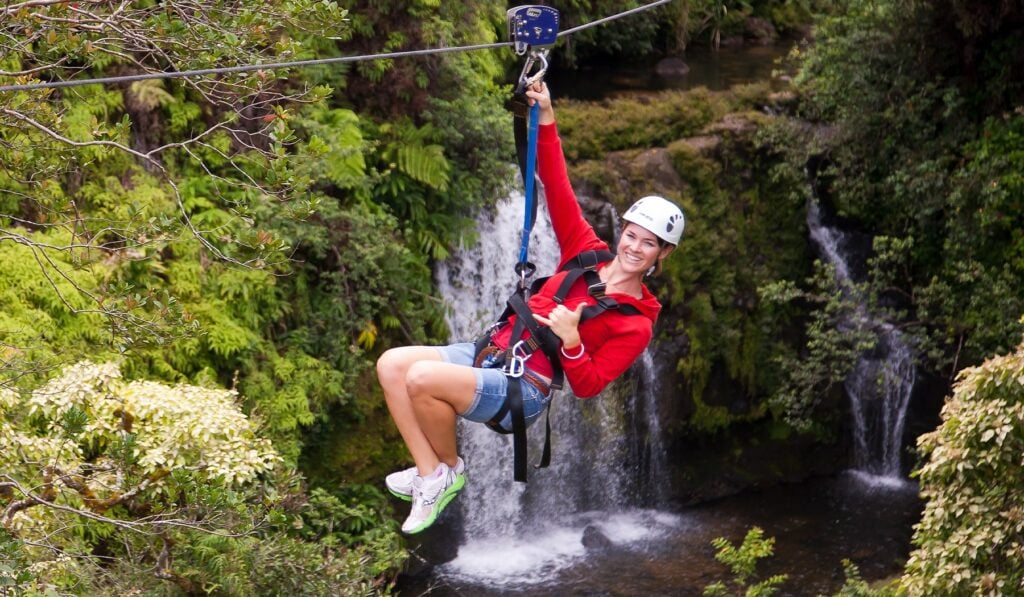
Knowing the requirements is the first step; taking the leap is the second! Whether you’re coming from Kona or arriving at the Hilo cruise port, our Kolekole Waterfall Zipline Adventure is the ultimate way to see the Big Island from a new perspective.
Pro Tip: Our tours fill up fast, especially during the summer and winter holidays. We recommend booking at least a week in advance to secure your spot in the sky.